The System
“Beauty will always present itself as one unified whole.”
– Kathryn Kalisz, founder of SciART
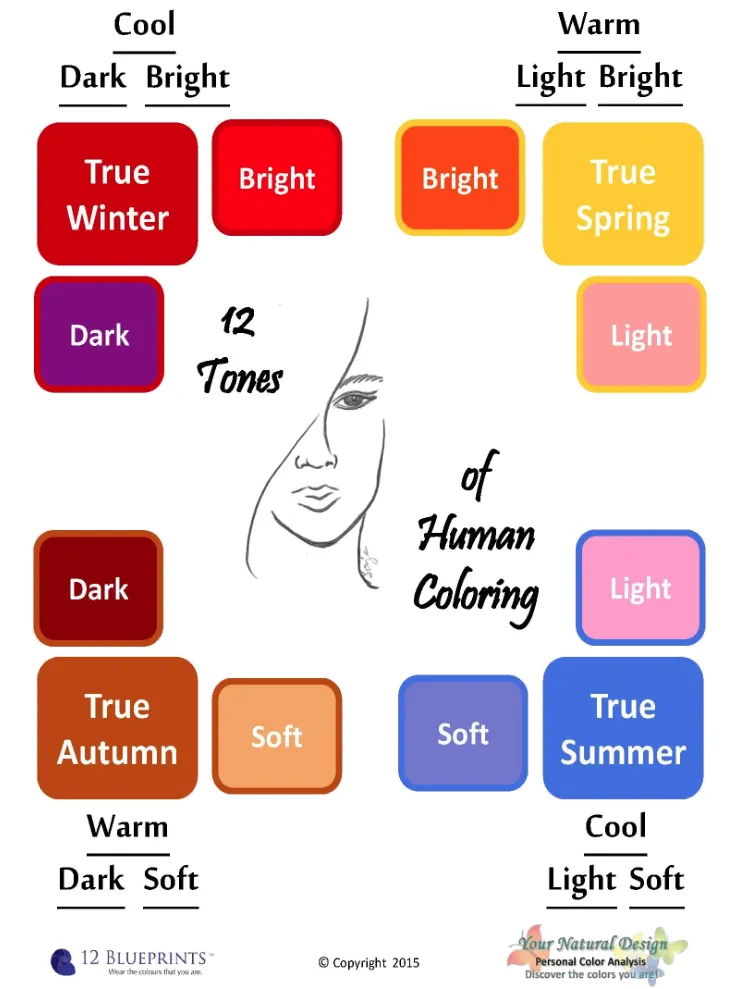
How the 12 Tone System works
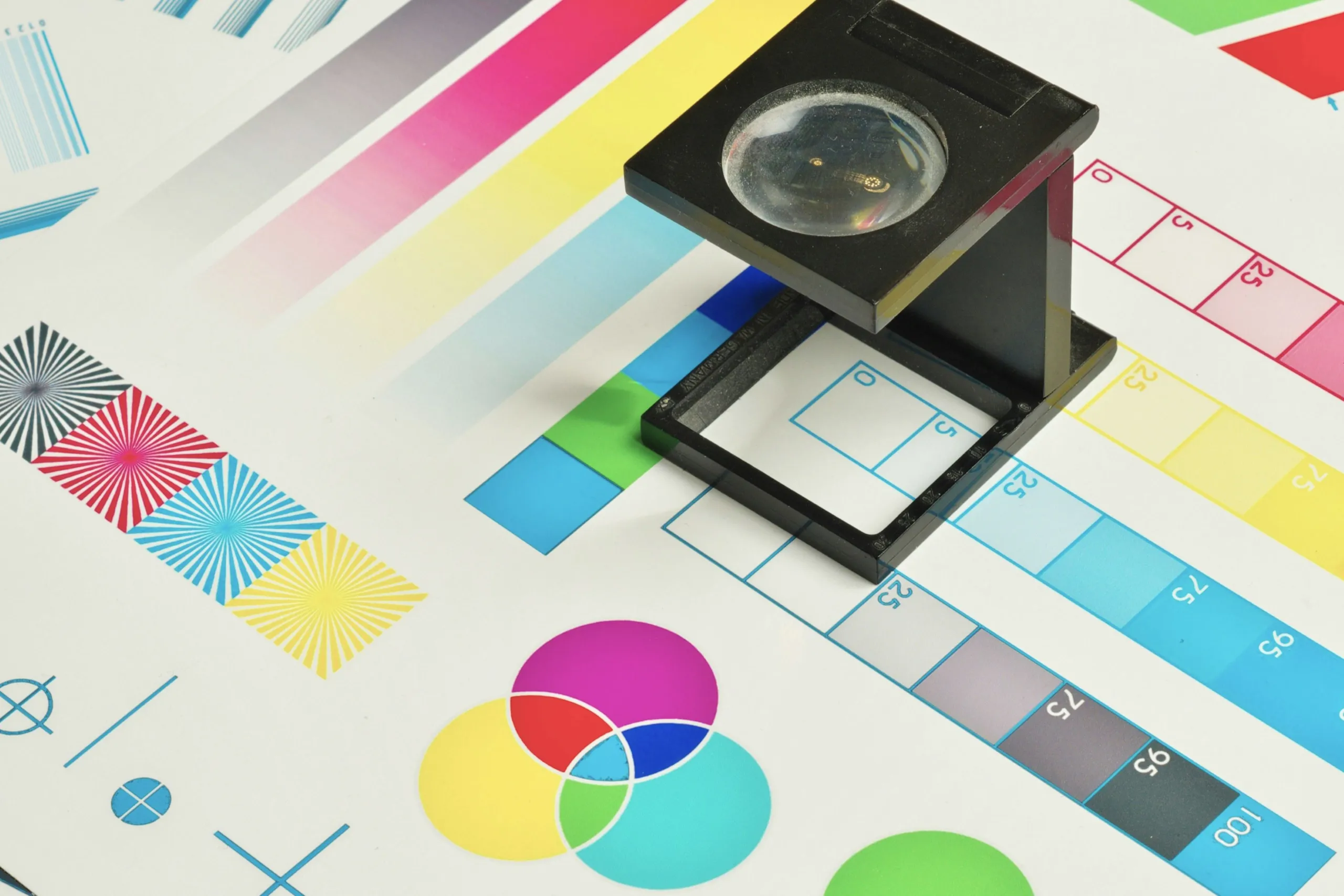
The quote is easy to agree with and hard to apply. In Personal Color Analysis (PCA), applying it takes both art and science, as in cooking or medicine practiced at the highest level.
This is true of many skills practiced at their highest level, with examples such as cooking and medicine in all their forms. To discover the intrinsic colors of our body, which includes our own version of each color in the rainbow, the colors already present in our skin, eyes, hair, teeth, and every other feature, our process strives to keep artistry and scientific method in balance, as nature does.
Built on the Munsell system
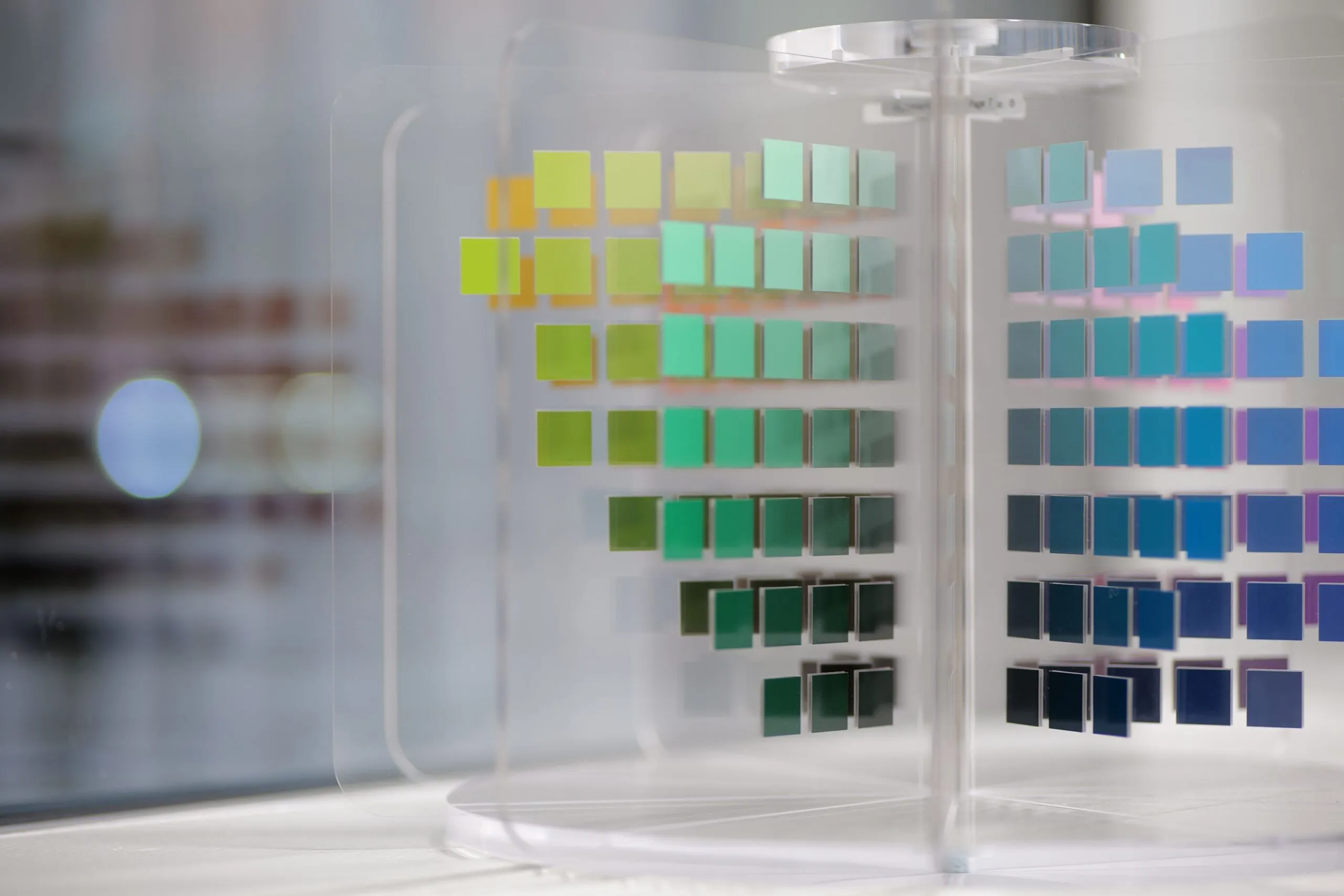
The 12 Seasons are based on the color collections designed by SciART founder and Master Munsell Colorist, Kathryn Kalisz (1948–2010). The Munsell Color Order System is recognized as the worldwide standard for color communication. It’s the color system based on how humans see and it can accommodate new colors as technology and fashion change.
Why 12
Kathryn understood that 4-Season systems were not able to represent the many variations of human coloring, but when the number of groups became excessive, the energy and expression of each group was diluted and our ability to discern the colors was too challenged to be accurate. She determined that 12 Seasons was the right number. It was also clear to her that color appears and behaves in three related dimensions, which have been shown in diagrams as length, width, and height, creating a structure that resembles an irregular tree.
Three dimensions of color
Color must be organized according to three interlocking variables, namely the hue, value, and chroma. Each of the 12 Seasons differentiates itself from the others by its specific combination of these three variables:
HUE
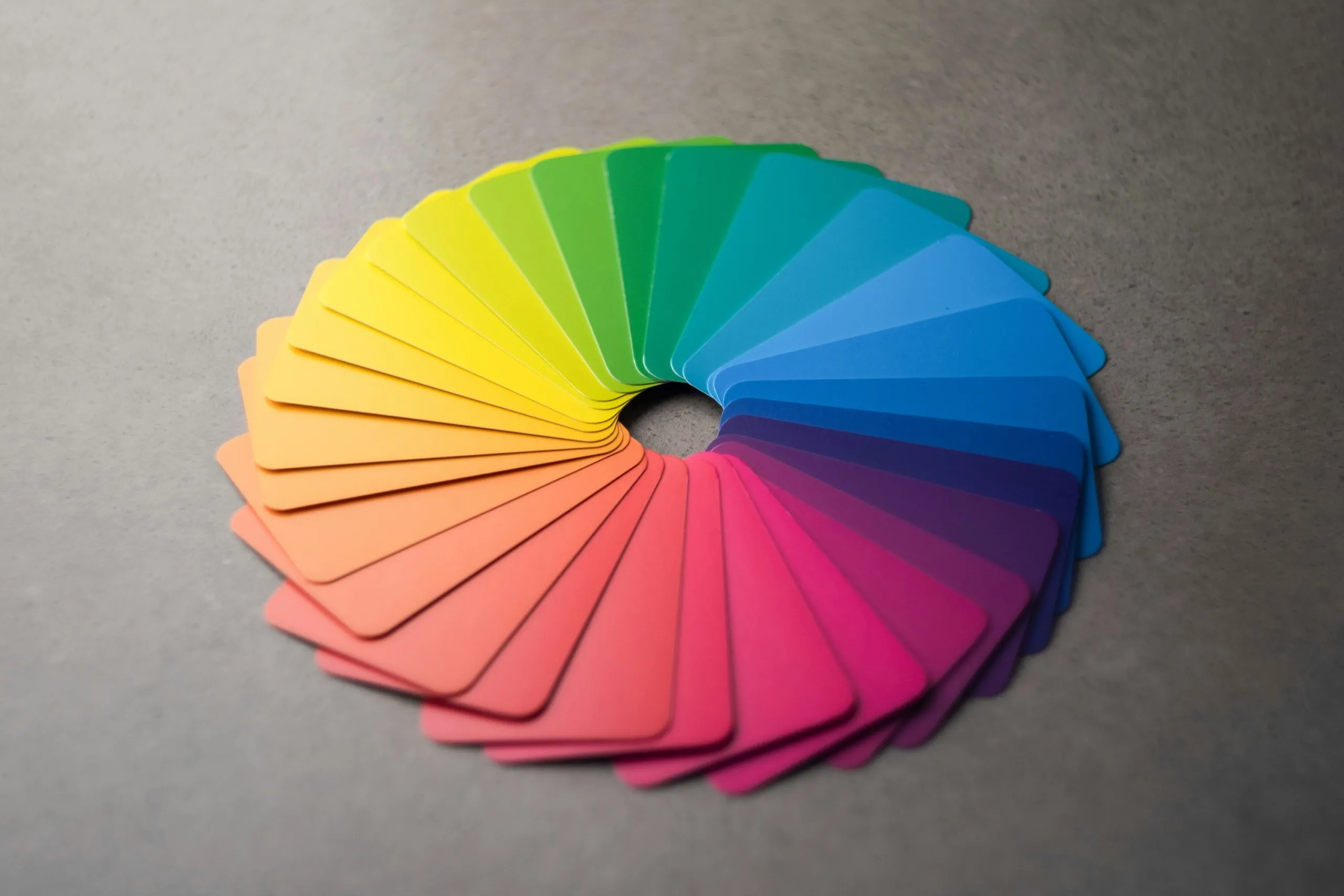
HUE refers to the color family, such as red or blue. Our associations with a color are largely based in this quality, as we find red to be passionate and yellow to be friendly. In combinations, we make deeper connections with colors. For example, Autumn palettes contain both red and gold and we feel the simultaneous presence of gold and rust as rich and dark, as well as warm. Hue is also related to the temperature of a color, such that warmer colors generally contain more yellow and cooler colors are bluer.
VALUE
VALUE refers to the position of a color on a light to dark scale, or how it might appear on a black-and-white photo. Humans are very skilled at seeing value, and even more so when offered more than one value to compare. As a result, value may be overemphasized in our assessment of a color or an individual’s coloring. This tendency is neutralized or brought into balance with the other two dimensions by an accurate testing system.
CHROMA
CHROMA or saturation speaks of the grayness or clarity of a color. Low clarity (softness/muting) might be described as dusty; essentially, it means how much gray is visible along with the pigment. High clarity colors contain very little or no visible gray, making them brighter, more intense. They appear lively and energetic, and seem able to step forward in our awareness, and in front of the person wearing the color if the individual is more muted in their coloring. Fortunately, when we wear colors in harmony with our own, our attire looks beautifully energized and so do we.
How colors are assigned to Seasons
The colors found in each of the 12 Seasons are based in Kathryn’s expertise in color classification, as well as her virtuosity in the psychology of human color perception. Kathryn’s scientific contribution extends beyond allocating hundreds or thousands of colors to one of 12 Seasons.
Each color has a distinct chemical behavior in pigment mixtures and a certain behavior in compositions. Although each color belongs to one Season only, many resemble one another. Their home Season is determined by their interaction and relationships with the other colors within that Season. To assign colors to Seasons, Kathryn understood how nature creates visual agreement from mixtures of pigments with distinct properties. Kathryn’s skill allowed her to juggle these many factors at once to result in color groupings that we humans perceive as visually harmonious when we observe the entire palette.
From the palettes to the analysis
The 12 color collections, or 12 Seasons, that Kathryn developed are the platform for the consistent structure found in the 12 Blueprints and Your Natural Design analysis systems used by Chrysalis Color analysts. The system begins with the testing colors used in the analysis and follows through every step thereafter, including client education and application of Season for attire, makeup, and hair color recommendations.