Does Dark Hair Make You a Winter?
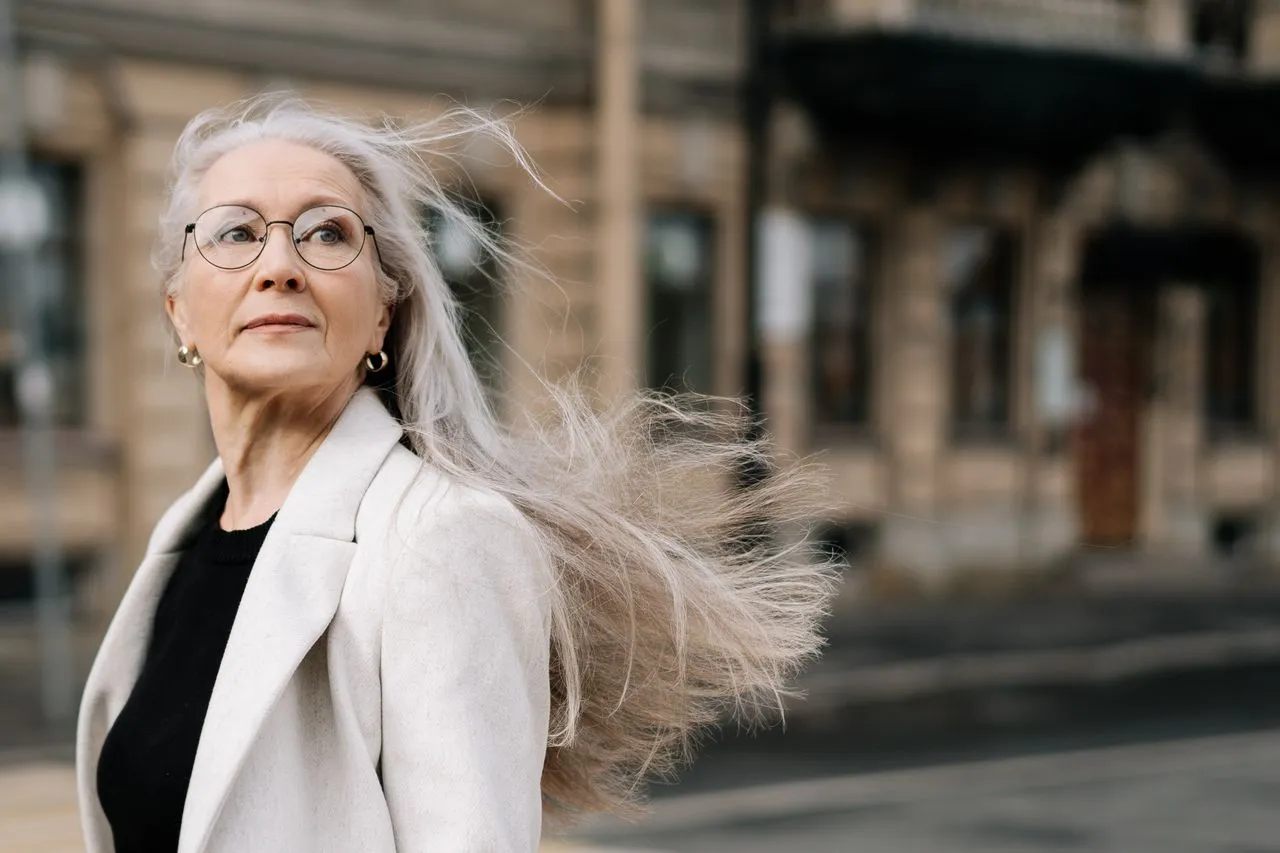
Gray hair makes you look old!
Why would you want to go gray?
I could NEVER go gray!
These are just a few of the things I heard when I stopped coloring my hair and embraced my natural gray. But then, the truth is that it’s been about eight years since I “ditched the dye”, and I do get more compliments on my hair color now than I ever did when I was coloring it.
The Journey
While training to become a personal color analyst, I was taught that if we wear the correct colors, our gray hair will look great as well, because ultimately, our natural hair color complements us the most. I told my PCA clients the same – but as a hairstylist myself, I did not fully believe it.
I decided the best way to test this theory was to try it myself. Thus began my journey of “going gray.” I will say– it’s not an easy journey to grow out hair color! I tell my hair clients they must be mentally prepared when they decide to go au naturel. While the grow-out process is not fun, it is incredibly freeing!
When You Dye Your Hair…
Delving a bit deeper into color theory, natural hair color is made up of six color molecules: one blue, two red, and three yellow. Whether your natural hair is jet black, platinum blonde, or something in between – it contains those six molecules. They are simply very dark or very light shades of those colors. Gray hair also has these molecules, but in much smaller amounts, which is why gray hair seems to have little to no pigment.
The peroxide in permanent hair color removes one of each of those color molecules from the hair. This leaves behind one red molecule and two yellow. Red + Yellow = Orange! As a result, the cool seasons (Winters and Summers) often struggle to find the right hair color. Even a very cool ash color will have a warm orange undertone.
The Process
Applying this color theory to growing out gray hair makes it easy to see why the process can be difficult. Color affects color; it also affects how we perceive other colors. Take paint samples, for instance: a color may appear blue in the store but feel completely different at home. The colors and lighting around the paint affect what you’re seeing.
The same principle applies to hair color. If you’ve been permanently coloring your hair, those warm undertones sit next to your new gray growth. Because gray hair is much ashier, the colored hair often appears even more yellow or orange in comparison. Semi-permanent toners can help reduce the warmth, but it will return as the toner fades.
Recommendations
For this reason, I highly recommend routine toning appointments until the last of the colored hair is cut off. Other techniques that may help include adding gray-toned highlights, incorporating darker lowlights to add more “pepper” to your “salt,” or growing out the under sections before transitioning the top. These strategies can help avoid the dreaded “skunk stripe.” Lastly, patience is key! Keep in mind that the grow-out process can take up to 2 years, depending on your hair length.
Shades of Gray
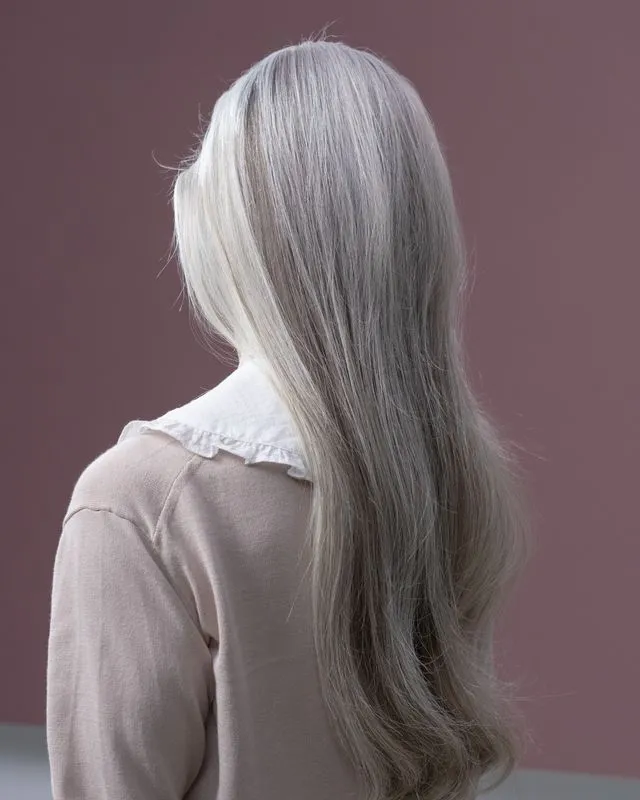
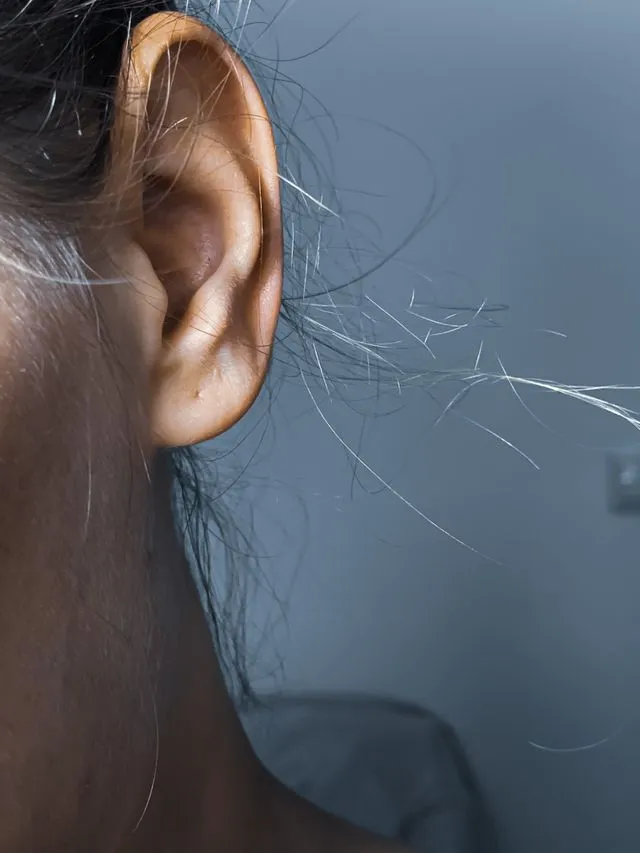
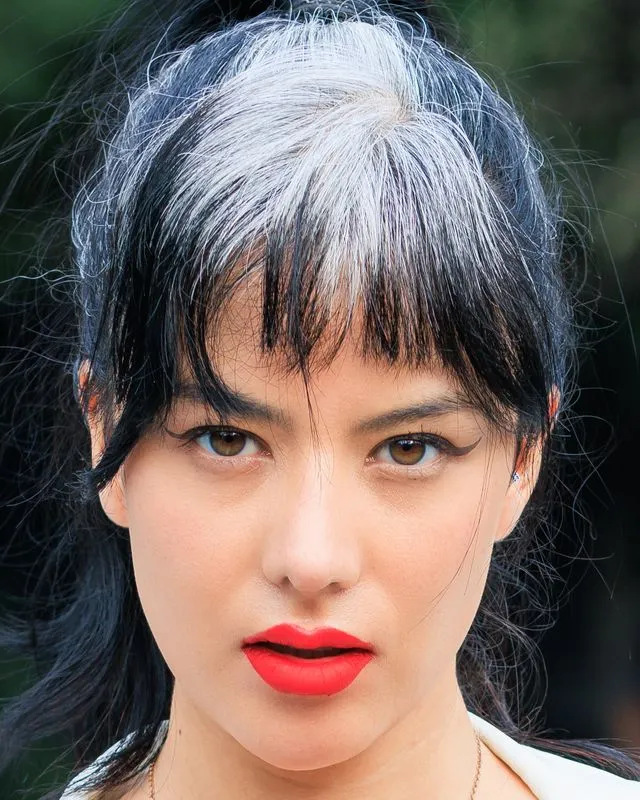
When we think about gray hair, there are all sorts of shades and variations. I’m a Dark Winter, and my gray hair has a lot of contrast, which I think reflects the Dark Winter palette. Darker in the back, with some areas of a nearly black steel color, the front has a bright white section, creating a striking difference.
Hair that is very high contrast or completely white seems to align with Winters or Bright Seasons. Others have a soft, silvery gray that I often associate with the Summers and Soft Seasons. Gray hair mixed with auburn tones almost have a warmer cast to their grays. Might those individuals belong to the warmer seasons? Possibly.
What I Have Learned
Having gone through this journey myself, and having worked with many clients, I have come to believe that what I was taught is true: if you are wearing your best colors, your natural gray hair will also be the most flattering for you!
Connecting with others on the same journey can help keep you motivated during the grow-out process. Following support groups on social media can be incredibly encouraging. One such group on Facebook is “Gray and Proud.” I also recommend reading Silver Hair by Lorraine Massey. She is a hairstylist that grew out her own gray – she abruptly quit coloring altogether – and shares her experience and the experiences of others. These resources can be such an encouragement on the days you want to give up – and rest assured, those days will come!
I hope this blog post can be a help and inspiration to those ready to “ditch the dye” for good! If you have any questions, please feel free to reach out!